Beauty Guides / Beauty history
A short history of skincare
From ancient Egyptian oils and Roman bathhouses to toxic lead powders, cold cream, the invention of SPF and the arrival of retinoids and K-beauty, how skincare evolved.
People have cared for their skin for as long as there are records. Some ancient habits, such as moisturizing with oils and protecting skin from the sun, still make sense today. Others, such as whitening the face with lead, were dangerous. Here is a quick tour.
Ancient Egypt
Ancient Egyptians used oils and fats from plants and animals to protect skin from the hot, dry climate. Castor, moringa and other oils were common, and scented oils and ointments were valued highly. Kohl, a dark eye cosmetic, was worn around the eyes by many people. Researchers have suggested that some ancient eye cosmetics may also have had antibacterial effects, though the evidence is limited. Stories that Cleopatra bathed in donkey's milk are popular, but they are better treated as legend than verified history.
Greece and Rome
In ancient Greece and Rome, bathing was a social ritual. Roman bathhouses included warm and cold rooms, and bathers cleaned their skin with oil and a curved metal scraper called a strigil rather than soap. The Greek physician Galen, who practiced in the Roman Empire in the 2nd century, is often credited with an early recipe for cold cream, a mix of water, oil and beeswax that cooled the skin as the water evaporated. The basic idea, an emulsion of water and oil, is the ancestor of modern moisturizers.
East Asia
In China, practices linked to traditional medicine, such as gua sha scraping, developed over many centuries; see the history of gua sha. Rice water was used for skin and hair in parts of China and Japan, and jade became associated with beauty rituals. In Japan, geisha and kabuki traditions developed distinctive makeup styles, and camellia oil was used on hair and skin.
Dangerous beauty
For centuries, pale skin was fashionable among the wealthy in parts of Europe and Asia, because it suggested a life indoors. Some whitening powders contained lead, such as the "ceruse" worn in 16th-century England. Lead is toxic and was absorbed through the skin, causing serious harm. Arsenic and mercury also appeared in some historical beauty products. These stories are a reminder of why ingredient safety rules matter.
The modern era begins
| Period | Development |
|---|---|
| 19th century | Mass-produced soaps and creams become widely available |
| Early 20th century | Commercial cosmetics companies grow; cold creams and vanishing creams are bestsellers |
| 1938 | The US Federal Food, Drug, and Cosmetic Act gives the FDA authority over cosmetics |
| 1930s to 1940s | Early commercial sunscreens appear |
| 1971 | Topical tretinoin is approved in the US for acne |
| 1974 | Swiss chemist Franz Greiter popularizes the Sun Protection Factor (SPF) rating |
| 1990s | Alpha hydroxy acids (AHAs) become mainstream in skincare |
| 2010s | Korean beauty (K-beauty) routines and ingredients spread worldwide |
| 2022 | The US Modernization of Cosmetics Regulation Act (MoCRA) expands FDA oversight of cosmetics |
Sunscreen changes everything
The idea that sun exposure ages skin, and can cause skin cancer, reshaped skincare in the 20th century. The SPF system gave people a way to compare products. Today dermatologists consider daily broad-spectrum sunscreen one of the most effective anti-aging steps. See sunscreen.
Retinoids and evidence-based skincare
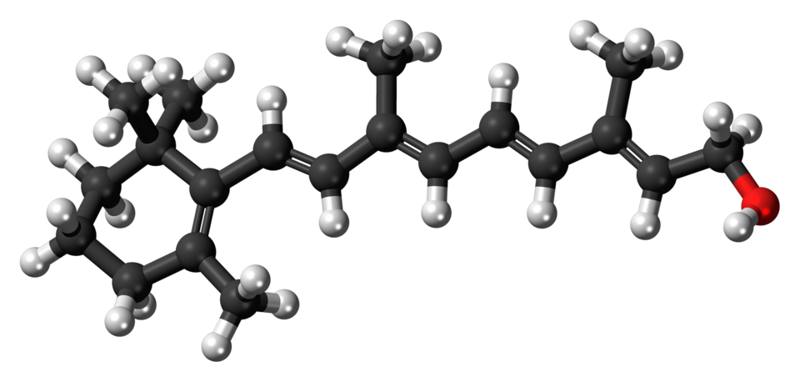
Tretinoin, a form of vitamin A, was developed as an acne treatment. In the 1980s, research suggested it could also improve sun-damaged skin. That helped launch the idea of skincare backed by clinical studies. See retinoids.
What history teaches us
- Moisturizing and sun protection have stood the test of time.
- Natural does not mean safe: lead, mercury and arsenic were all "natural."
- Rituals have value for comfort and self-care, even when claims are exaggerated.
When a product claims an "ancient secret," enjoy the story, then check the ingredients and evidence like you would for anything else.