Beauty Guides / Facial tools and rituals
The history of gua sha
From a traditional body-scraping practice in China and Southeast Asia to the gentle facial ritual on today's vanity, here is how gua sha changed.
The flat stone on your bathroom shelf has a long and surprising backstory. Gua sha (刮痧) is a Chinese term. Gua means to scrape and sha refers to the reddish, sand-like marks that can appear on the skin after scraping. The practice the name originally described looks very different from the gentle facial gliding popular today.
Traditional body gua sha
In traditional Chinese medicine and in folk medicine across East and Southeast Asia, gua sha is a body treatment. A practitioner lubricates the skin with oil or balm and scrapes firmly with a smooth-edged tool, typically along the back, neck, shoulders or limbs. The pressure is strong enough to bring up sha, small red or purple spots (petechiae) caused by tiny blood vessels leaking under the skin. These marks usually fade within a few days.
Tools traditionally included:
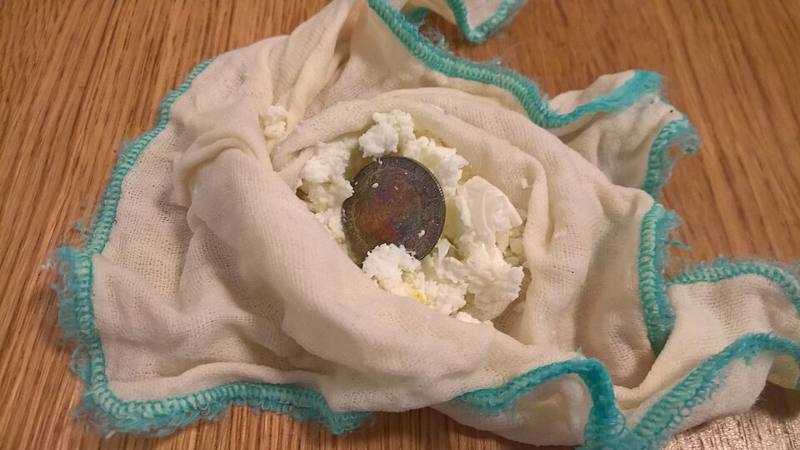
- Coins, often silver or copper
- Porcelain soup spoons
- Water buffalo horn
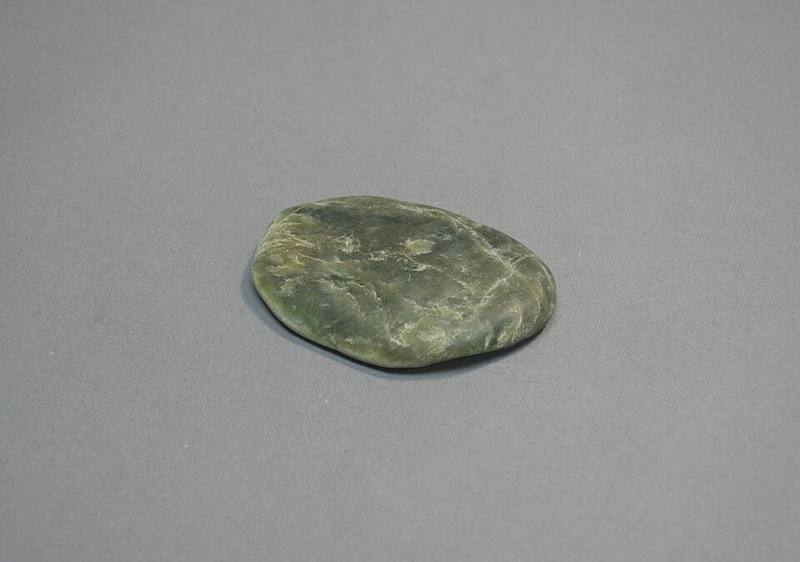
- Jade and other smooth stones
Similar scraping practices exist under other names. In Vietnam it is known as cạo gió, and versions are found in Indonesia and other parts of the region. In many families it is a home remedy passed down through generations, used for aches, colds and heat-related illness.
What research says about body gua sha
Clinical research on body gua sha is limited and mostly small. Some trials have reported short-term relief for neck and back pain, but study quality varies and results are not conclusive. Body gua sha can cause bruising-like marks, and it is not appropriate for people with bleeding disorders, on blood thinners, or with skin infections or wounds.
How facial gua sha emerged
Facial gua sha is a much gentler modern adaptation. Instead of raising marks, the goal is to glide a smooth stone lightly over well-oiled skin, following the direction of lymphatic drainage, to reduce puffiness and relax facial muscles. Facial gua sha became widely popular internationally in the late 2010s, helped by social media, and jade and rose quartz stones in heart, wing and comb shapes became bestsellers.
Facial gua sha should never leave sha marks, bruises or broken capillaries. If you see redness that lasts or tiny red dots, you are pressing far too hard.
Why jade?
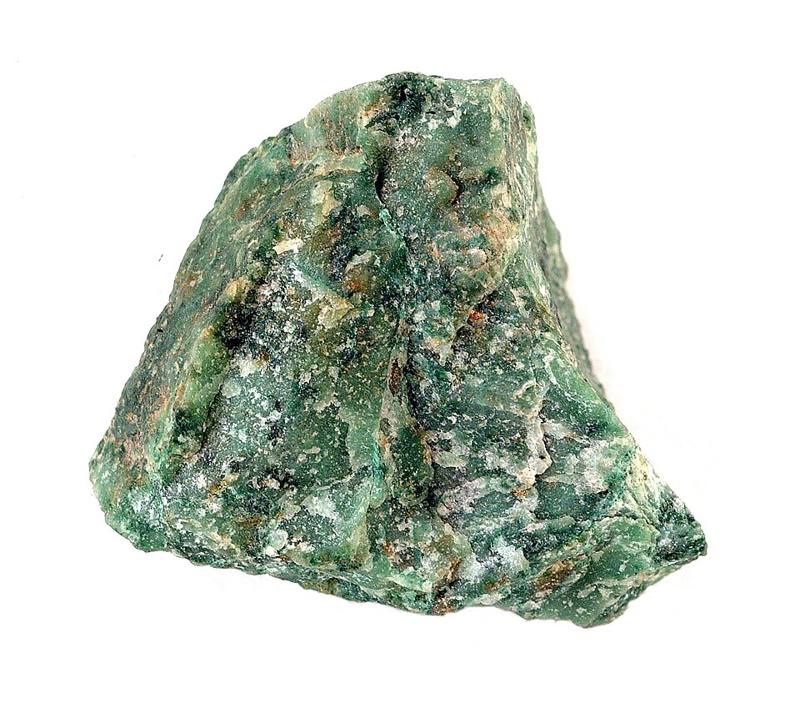
Jade has been treasured in China for thousands of years, carved into ornaments, ritual objects and jewelry since Neolithic times. Its cool touch, smoothness and cultural association with longevity and beauty made it a natural material for beauty tools. Today, gua sha stones are made from many materials: nephrite jade, rose quartz, amethyst, bian stone, stainless steel and ceramic. Learn how to tell real jade in our jade buyer's guide.
The honest bottom line
Gua sha as a facial ritual can:
- Temporarily reduce morning puffiness
- Feel relaxing and help you slow down
- Help you massage in facial oils evenly
It will not permanently reshape your face, remove fat or "detox" your body. Enjoy it for what it is, and see the step-by-step how-to for safe technique.
General information only. Gua sha is not a treatment for medical conditions. Ask your doctor before body gua sha if you take blood thinners or have a bleeding or skin condition.