Beauty Guides / Facial tools and rituals
Ice globes and cold therapy for the face
Ice globes, chilled spoons and cold compresses for puffy mornings. How cold works on skin, how to use it safely and when to skip it.
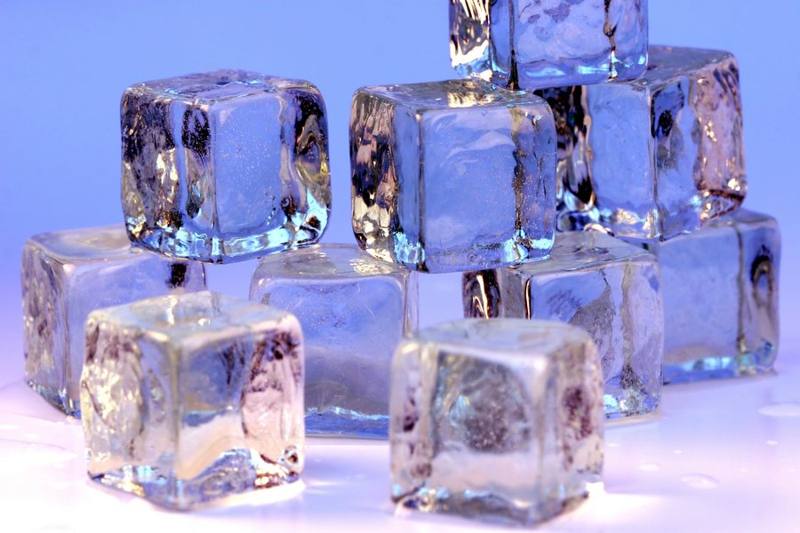
Cold on the face is one of the oldest beauty tricks: a splash of cold water, chilled cucumber slices, a cold spoon under the eyes. Ice globes, glass bulbs filled with a liquid that stays cold, are a modern, less drippy version.
Why cold helps puffiness
Cold causes blood vessels near the surface to narrow (vasoconstriction). That can temporarily reduce swelling and redness and give skin a firmer, tighter feel. The effect fades as skin warms up again, usually within an hour or so, which makes cold a great morning step before makeup and not a long-term treatment.
Cold tool options
| Tool | How cold | Best for | Notes |
|---|---|---|---|
| Ice globes | Fridge or freezer cold, holds a while | Under-eye and cheek puffiness | Glass, handle with care |
| Chilled roller or gua sha stone | Cool | A gentle cool massage | Fridge, not freezer |
| Stainless steel tools | Very cool, warms slowly | Quick depuffing | Hard to break |
| Cold spoon | Cool | Travel, budget | Two spoons in the fridge overnight |
| Cold compress | Cool to cold | Swelling after a long day | Wrap ice in a clean cloth |
How to use ice globes
- Store globes in the fridge, or briefly in the freezer if the maker says that is safe.
- Apply a serum or moisturizer first so the globes glide.
- Starting at the center of the face, roll or glide outward toward the ears and down the neck, as with a roller.
- Under the eyes, glide gently from inner to outer corner.
- Keep moving and stop after a few minutes. If a spot feels numb or painful, stop.
Never press bare ice or freezer-cold tools against skin for long. Ice burns (frostbite-type injury) can happen when frozen items stay in one place. Wrap ice in a cloth and keep tools moving.
Skin icing: be careful
Rubbing ice cubes directly over the face has been a viral trend. Short, gentle use with ice wrapped in a thin cloth is the safer approach. Direct ice for long periods can damage skin and capillaries, and it can aggravate rosacea or sensitive skin in some people.
When to skip cold tools
- Rosacea, where temperature changes can trigger flushing in some people
- Raynaud's phenomenon or cold sensitivity
- Broken skin, rashes or recent procedures, unless your provider approves
- Glass globes that are chipped or cracked: replace them
Cold vs warm
Cold is best for morning puffiness and calming warmth after sun exposure. Warmth (a warm, damp cloth) can feel soothing at night and helps soften oil-based makeup removers. Neither one opens or closes pores: pores do not have muscles, despite the myth.
"Cold water closes your pores." Pores do not open and close. Cold can make skin look tighter for a short time, which is all most of us want before a big day.
Cleaning
Wipe globes with mild soap and water or an alcohol wipe after each use, dry them, and store them in their stand so they do not roll off the counter. More tips are in caring for your tools.
General information only. Sudden or one-sided facial swelling, or swelling with pain or fever, needs medical attention.