Retinoids and retinol for beginners
The vitamin A family explained, from gentle retinyl esters to prescription tretinoin, plus how to start without peeling.
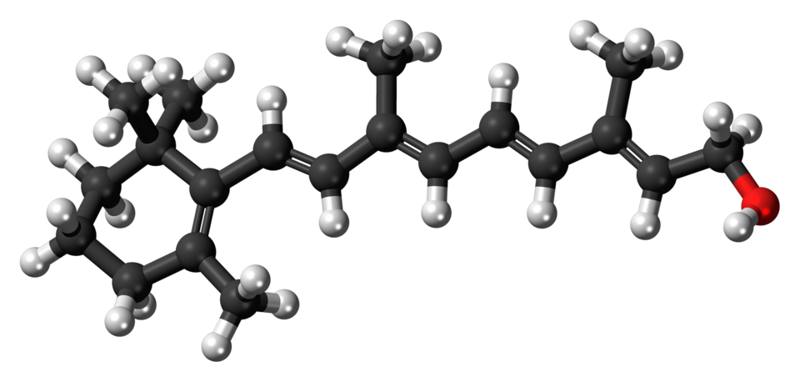
Retinoids are the most researched family of ingredients for skin texture, acne and signs of sun damage. They are all forms of vitamin A, and they work by speeding up skin cell turnover and influencing how cells behave, which over months can smooth texture, unclog pores, fade discoloration and soften fine lines.
The retinoid ladder
Skin has to convert most retinoids into retinoic acid, the form that acts on skin cells. Each conversion step makes the ingredient gentler but less potent.
| Retinoid | How you get it | Strength | Notes |
|---|---|---|---|
| Retinyl esters (palmitate, acetate) | Over the counter | Mildest | Several conversion steps; good for very sensitive skin |
| Retinol | Over the counter | Moderate | The most common cosmetic retinoid |
| Retinaldehyde (retinal) | Over the counter | Stronger | One step from retinoic acid; often faster results |
| Adapalene 0.1% | Over the counter in the US since 2016 | Strong, acne-focused | Stable and often used with benzoyl peroxide |
| Tretinoin, tazarotene, trifarotene | Prescription | Strongest | Retinoic acid itself or related drugs |
What results to expect
- Weeks 1 to 4: possible dryness, flaking and tightness, often called retinization. Some people get a few breakouts as clogged pores clear.
- Weeks 6 to 12: smoother texture, fewer clogged pores.
- Months 3 to 6 and beyond: more even tone and softer fine lines. Retinoids are a long game.
How to start without wrecking your barrier
- Start low and slow. Use a pea-size amount for the whole face, two or three nights a week.
- Dry skin first. Apply to fully dry skin after cleansing. Damp skin can increase irritation.
- Buffer if needed. Moisturizer before and after the retinoid (the "sandwich") softens the sting.
- Avoid sensitive spots. Keep it away from the corners of the nose, mouth and eyes at first.
- Increase gradually. After two to four weeks without irritation, add another night.
- Wear sunscreen every morning. See the sunscreen guide.
If your skin is red and stinging, take a few nights off with only cleanser and moisturizer, then restart at a lower frequency.
What to pair and what to space out
- Good partners: moisturizers, ceramides, niacinamide, hyaluronic acid, sunscreen.
- Separate nights: AHAs, BHAs and strong exfoliating pads, at least while you are adjusting. See what not to mix.
- Morning vitamin C, night retinoid is a classic split.
- Benzoyl peroxide can break down tretinoin if applied at the same time; adapalene is stable with it. Follow your prescriber's instructions.
Who should be careful
- Pregnancy and breastfeeding: oral retinoids are known to cause birth defects, and dermatologists generally advise avoiding topical retinoids during pregnancy too. Talk to your doctor.
- Sensitive skin, rosacea or eczema: start with retinyl esters or a low-strength retinol, or ask a dermatologist.
- Before waxing: retinoids can make skin more fragile. Many salons ask you to pause them for several days before facial waxing.
General information only. Prescription retinoids should be used only as directed by your clinician.