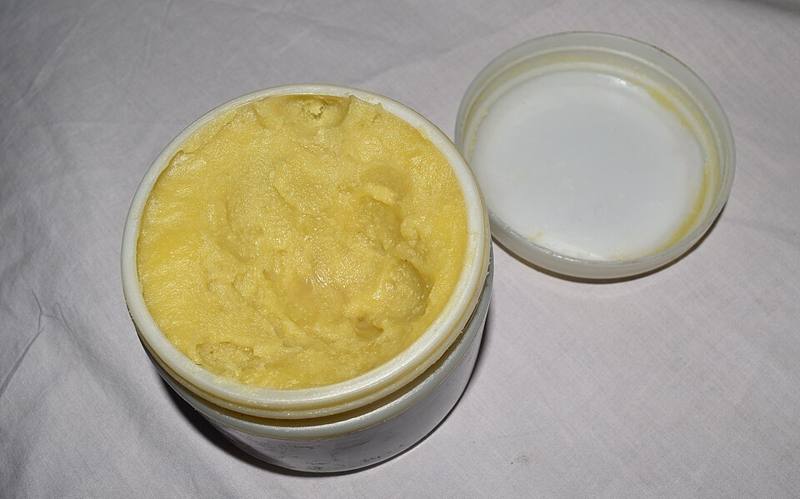
Cleansers and double cleansing
Gel, foam, cream, oil, balm or micellar water? How to pick a face wash for your skin type and when double cleansing is worth it.
A cleanser has one job: remove oil, sweat, sunscreen, makeup and pollution without stripping the skin barrier. The best cleanser is the one that leaves your face clean but comfortable, never tight or squeaky.
How cleansers work
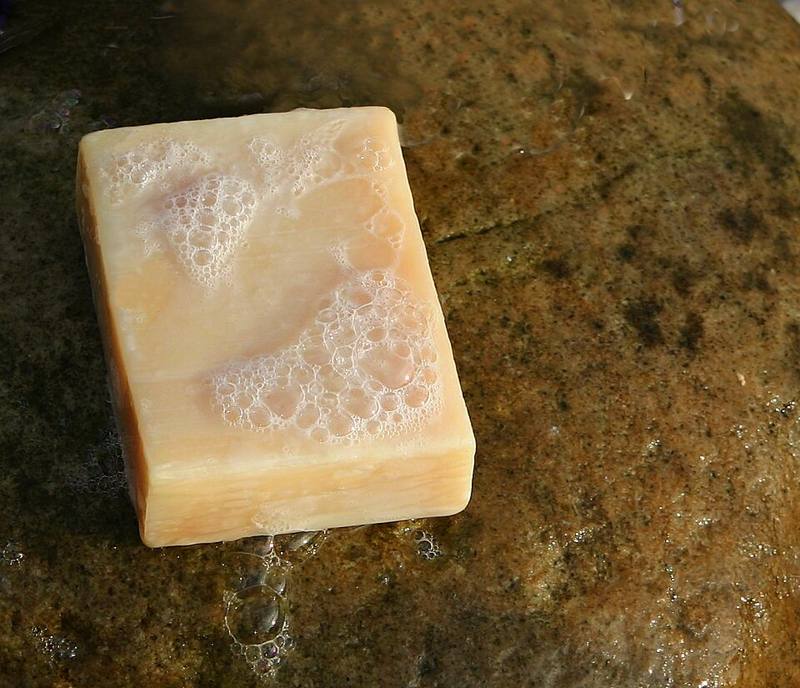
Most cleansers rely on surfactants, molecules with one end that likes water and one end that likes oil. They surround oily grime so water can rinse it away. Strong surfactants clean powerfully but can also wash away the natural lipids that keep skin soft. Gentle cleansers use milder surfactants, add moisturizing ingredients and sit closer to skin's naturally slightly acidic pH (roughly 4.5 to 5.5 on the face). Traditional bar soap is alkaline, which is why it can feel drying on the face for many people.
Cleanser types compared
| Type | Texture | Best for | Watch out for |
|---|---|---|---|
| Gel | Clear, light lather | Normal to oily | Some are too stripping for dry skin |
| Foam | Rich lather | Oily, humid climates | Squeaky feel means too harsh |
| Cream or milk | Lotion-like, little lather | Dry, sensitive | May not remove heavy makeup alone |
| Oil | Liquid oil that emulsifies with water | Removing sunscreen and makeup | Must rinse well |
| Balm | Solid that melts to oil | Makeup removal, dry skin | Take it off fully before second cleanse |
| Micellar water | Water with tiny surfactant clusters | Quick cleanse, sensitive skin | Rinse or follow with cleanser if acne-prone |
| Medicated wash | Contains salicylic acid or benzoyl peroxide | Acne-prone skin | Can dry out; benzoyl peroxide bleaches towels |
Double cleansing, explained
Double cleansing means an oil-based cleanser first, then a water-based one. The oil step dissolves long-wear makeup and water-resistant sunscreen; the second step removes the oily residue and any remaining grime.
Worth it when: you wear full makeup, water-resistant or mineral sunscreen, or live somewhere polluted.
Skip it when: you wore light or no makeup. A single gentle cleanse at night is enough, and many people just rinse with water in the morning.
How to double cleanse
- With dry hands on a dry face, massage an oil or balm for 30 to 60 seconds, including the hairline and jaw.
- Add a little water so it turns milky (emulsifies), then rinse.
- Follow with a pea-to-almond-size amount of gel or cream cleanser for about 30 seconds and rinse with lukewarm water.
- Pat dry with a clean towel and go straight to the next step while skin is slightly damp.
Technique matters more than the bottle
- Time it. Around 30 to 60 seconds of massage lets the cleanser do its job; a quick splash does not.
- Lukewarm water. Hot water feels nice but strips oils and worsens redness.
- Soft hands, not scrubs. Cloths and brushes are optional. Rough scrubbing and gritty scrubs can cause micro-irritation.
- Clean towels. Swap face towels often, or use a fresh one every few days.
If your skin feels tight within 10 minutes of washing, your cleanser is too strong or you are washing too long. Switch to a cream or low-foam formula.
How often to wash
Twice a day suits most people. Dry or sensitive skin often does better with a water rinse in the morning and one gentle cleanse at night. Always wash after heavy sweating, since sweat and sunscreen sitting on skin can clog pores. After cleansing, follow with a moisturizer and, in the morning, sunscreen.
General information only. If a cleanser causes burning, rash or swelling, stop using it and seek medical advice if it does not settle.