Moisturizers, decoded
Humectants, emollients and occlusives explained, plus how to choose a gel, lotion, cream or balm for your skin.
Moisturizer supports the skin barrier, the outermost layer of skin (the stratum corneum) that keeps water in and irritants out. A healthy barrier looks smoother, feels comfortable and tolerates actives better. Every skin type benefits, including oily skin.
The three jobs of a moisturizer
Good moisturizers combine three kinds of ingredients:
| Group | What it does | Common examples |
|---|---|---|
| Humectants | Draw water into the outer skin layers | Glycerin, hyaluronic acid, urea, panthenol, aloe, honey |
| Emollients | Fill gaps between skin cells so skin feels soft and smooth | Squalane, ceramides, fatty acids, cholesterol, plant oils, shea butter |
| Occlusives | Form a seal that slows water loss | Petrolatum, dimethicone, lanolin, beeswax, mineral oil |
Humectants alone can leave skin feeling tight in very dry air, because there is little moisture to pull from the air. Pairing them with emollients and an occlusive seals the water in.
Textures from light to rich
- Gel or gel-cream: water-heavy, light, quick to absorb. Good for oily skin and humid weather.
- Lotion: a little more oil, easy to spread. Suits normal and combination skin.
- Cream: thicker, more emollients. Good for dry skin and night routines.
- Balm or ointment: mostly oils and waxes, very occlusive. Great for flaky patches, lips and cold, windy days.
Many people use a lighter texture in the morning under sunscreen and makeup, and a richer one at night.
Ingredients worth knowing
- Ceramides: lipids that make up a large part of the barrier. Formulas that combine ceramides, cholesterol and fatty acids aim to mimic skin's own mix.
- Glycerin: an inexpensive, well-studied humectant found in a huge number of products.
- Petrolatum: one of the most effective occlusives. Despite rumors, it is non-comedogenic for most people.
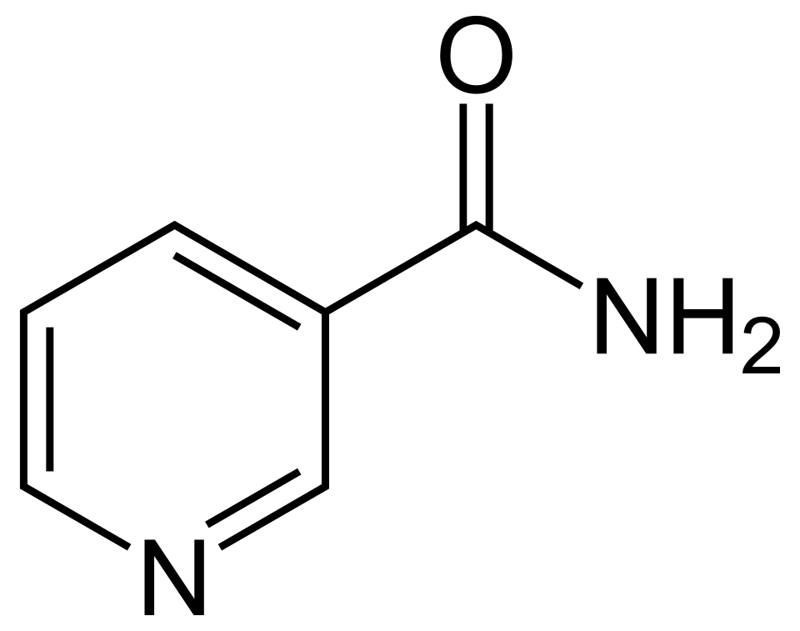
- Niacinamide: supports the barrier and is gentle for many skin types; see niacinamide and hyaluronic acid.
- Fragrance: adds no skin benefit and is a common cause of contact allergy. Sensitive skin usually does better without it.
"Oily skin should skip moisturizer." Stripped, dehydrated skin can look shinier and feel irritated. A light, non-comedogenic gel is usually the answer.
How to apply it
- Apply to slightly damp skin within a few minutes of cleansing.
- Use a coin-size amount for the face and neck. Warm it between fingertips and press it in.
- Do not forget the neck, ears and the area around the eyes (gentle, unfragranced formulas are fine there).
- At night, a thin layer of an occlusive over moisturizer, sometimes called slugging, can help very dry skin. It is usually too heavy for acne-prone skin.
Signs you need a change
- Pilling or greasiness: too rich or too much product.
- Tightness within an hour: not rich enough, or your cleanser is too strong.
- New small bumps: the texture may be too heavy, or an ingredient does not suit you. Patch-test replacements.
A moisturizer is also the best buffer when you start retinoids. Applying it before or after a retinoid can reduce dryness.
General information only. Very dry, cracked or itchy skin can be eczema or another condition; a dermatologist can help.