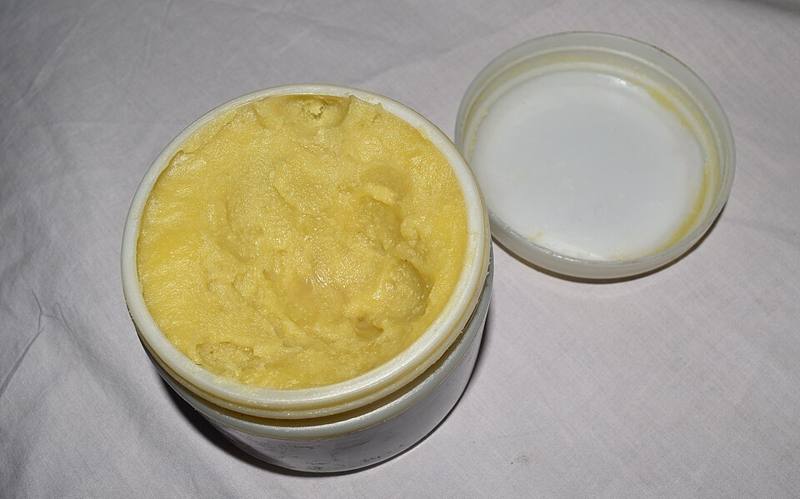
Niacinamide and hyaluronic acid
Two of the easiest, best-tolerated actives. What they really do, what percentages make sense and how to use them in any routine.
If retinoids and acids are the power tools of skincare, niacinamide and hyaluronic acid are the easy-going helpers. Both play well with almost everything, suit most skin types and are found at every price point.
Niacinamide: the multitasker
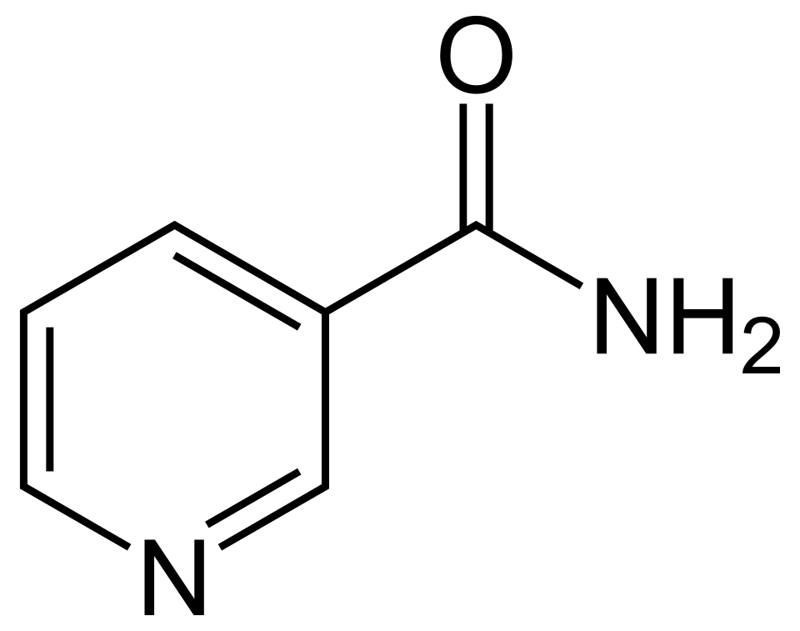
Niacinamide (also called nicotinamide) is a form of vitamin B3. Studies on topical niacinamide have reported benefits for:
- Skin barrier: it helps skin produce ceramides and other barrier lipids, reducing water loss.
- Oil and shine: some studies found less sebum production, which can make pores look smaller.
- Uneven tone: it reduces the transfer of pigment to surface skin cells, helping dark spots fade over time.
- Redness and blemishes: it has anti-inflammatory effects and is often used alongside acne treatments.
What strength to use
Much of the research used concentrations around 2 to 5%. Products at 10% or higher are widely sold, but higher is not automatically better: some people get redness, itching or breakouts at high concentrations. Start around 4 to 5% if your skin is sensitive.
How to use it
Niacinamide works morning or night, as a serum or inside moisturizers. Apply after cleansing and before moisturizer. It pairs nicely with retinoids (it can ease their dryness), sunscreen and hyaluronic acid.
Hyaluronic acid: hydration helper
Hyaluronic acid (HA) is a sugar molecule your body already makes. It is found in skin, joints and eyes. In skincare it acts as a humectant, attracting and holding water in the outer layers of skin so it looks plumper and smoother right away. You will often see the claim that it holds up to 1,000 times its weight in water; whatever the exact figure, the practical effect is a quick boost in surface hydration.
Molecular weight matters
- High molecular weight HA sits on the surface, forming a light moisturizing film.
- Low molecular weight or "hydrolyzed" HA is smaller and penetrates the outer layers more.
- Many serums blend several sizes. Sodium hyaluronate is the salt form and is very common on labels.
How to use it
- Apply to damp skin, right after cleansing or a mist.
- Use a few drops, pressed in.
- Seal it with a moisturizer. In very dry air, HA without a moisturizer on top can leave skin feeling tight.
"Hyaluronic acid is an acid, so it exfoliates." It does not. Despite the name, it is a hydrator and has nothing in common with AHAs and BHAs.
Side by side
| Niacinamide | Hyaluronic acid | |
|---|---|---|
| Category | Vitamin (B3) | Humectant |
| Main benefits | Barrier, oil, tone, redness | Instant hydration, plumpness |
| Best time | AM or PM | AM or PM |
| Typical strength | 2 to 5% (up to 10%) | Under 2% is common |
| Skin types | Almost all, especially oily or blemish-prone | All, especially dehydrated |
| Pairs with | Retinoids, vitamin C, sunscreen, HA | Everything |
Who should be careful
Both are low-risk, but anything can irritate someone. If you notice flushing or itching after a high-strength niacinamide serum, try a product with less or use it every other day.
General information only. Patch-test new products, and see a dermatologist for persistent redness or acne.